In convenience retail, margins are already tight — but for small and mid‑sized convenience store chains, food waste, shrink, and spoilage can quietly become one of the biggest threats to profitability. The challenge isn’t just what gets thrown away. It’s the hidden losses that accumulate long before an item ever reaches the trash. From the Auditor perspective, c-store operators can learn where shrink is depleting the bottom line.
Foodservice in convenience stores is especially vulnerable compared to quick service restaurants because food is as much a priority as fuel, tobacco, lottery, and alcohol sales. It’s not the core business, however important it is to compete with QSRs. Prep waste, expired or damaged items, overproduction, incorrect holding times, temperature failures, miscounts in fresh and made‑to‑order foods, and even theft disguised as waste, all chip away at the bottom line. These losses rarely show up in one dramatic moment. Instead, they bleed out slowly — unnoticed until the financials tell a painful story.
THE SLOW BLEED
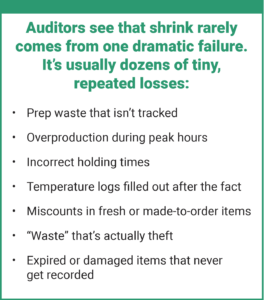 For smaller operators, that slow bleed matters. Every dollar of shrink hits harder. Every tray of overproduced food, every mislabeled item, every temperature slip represents cash that can’t be recovered. Foodservice must be measured accurately and managed intentionally, or operators risk losing money on the very programs meant to drive growth.
But there’s another side to this challenge — one that’s gaining momentum across the industry.
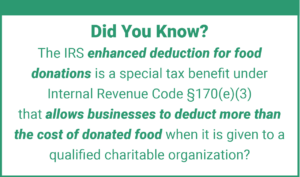
Organizations like NACS are helping retailers rethink food waste not just as a cost problem, but as a community opportunity. By partnering with local food banks and hunger‑relief organizations, c‑stores can redirect safe, unsold food to neighbors who need it most. It’s a win‑win: less waste, lower shrink, and a meaningful contribution to the communities operators serve.
The message is clear: Shrink matters. Waste matters. And for small and mid‑sized chains, the right tools and partnerships can turn a major operational challenge into a powerful operational advantage.
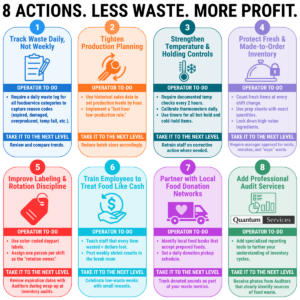
ACTION STEPS TO STOP THE SLOW BLEED
Below are practical, operator‑ready steps to implement immediately to reduce shrink—and take operations to the next level to protect the bottom line.

KEY TAKEAWAY
Shrink matters. Waste matters. And for small and mid‑sized chains, the right tools, habits, and partnerships can turn a major operational challenge into a competitive advantage. If your foodservice program isn’t tracking, identifying waste, reducing, or maximizing it, now is the time to start. The savings are real — and so is the impact.