

C-STORES ARE OVERCROWDED WITH PRODUCT
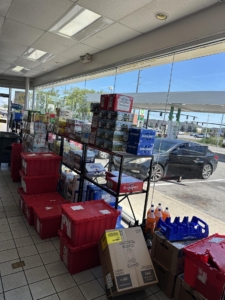 If the purpose of convenience is to make life easier, more compartmentalized, and within arm’s reach, then why does it seem that entering a convenience store is anything but convenient? With sprawling products in aisle ways, shippers on end caps, and misplaced inventory on the sales floor, frustrated customers may leave without making a purchase.
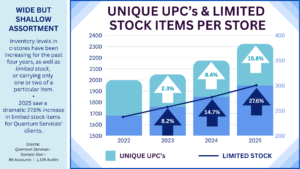
The clutter is not entirely accidental—vendor demand, seasonal or promotional items that create force-outs of fast-movers, experimenting with hot products, or category managers vying for top-shelf placement help contribute to the chaos. Demand for shelf space increases, making it in short supply.
YOUR INVENTORY IS TELLING YOU SOMETHING
The data speaks volumes when it comes to shedding light on customer behavior and slow sales. Too much inventory— especially if disorganized and difficult to find- will see your customers’ experience quickly turn into annoyance. Even barriers, such as bulky promotional units, can make customers skip an aisle completely. At CSP’s recent Center Store Forum, speaker Richard Poye made the point that shippers can block the view of your high-performing items, reducing the chance of sales. That is when you have a situation of chaotic merchandising.
ARE YOU LISTENING?
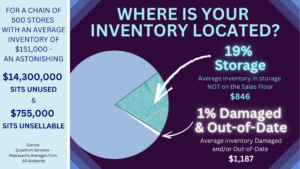
In the normal system of order-receive-sell-reconcile, disruptions can have a ripple effect on operations. Overstock and clutter are symptoms that let you know that something is wrong. On average, 20% of c-store inventory is sitting in the backroom, with a portion consisting of outdated or damaged products. If we take an average store inventory of $151,000, that’s $30,200 sitting unused and unsellable! For a brand with 500 chains, the dollar amount adds up nearly to the tune of $15 million.
OPERATIONAL BENEFITS
Regular audits can identify what is inconvenient to customers. After correcting the inventory record and realigning the system with physical stock, c-store inventory can be optimized to match inventory turns. An accurate account for inventory can also lead to lower inventory levels and help identify your prime products.
Establishing this before the Food and Drug Administration’s required changes to food dyes and SNAP benefits hit the candy aisle will be of benefit. According to CSP, an estimated 40% of c-store candy will be affected, putting stores at greater risk of sales loss if prices rise due to recipe reformulations and reduced access to candy.
WHAT TO DO TO END THE CLUTTER
Clutter control isn’t just about making the store look better—it’s about making it work better. When there’s less noise on the shelves, your best-selling products stand out so that customers are more likely to find what they need…and make a purchase.
Actionable steps to take now:
1) Have an internal process for getting excess stock off the shelves.
2) Know your vendor guarantee for taking back inventory.
3) Form a reclamation process for guaranteed product.
4) Hire a professional audit service.
To take control of your clutter, make room for what matters most—more space and more sales! Call Director of Sales, Tim Campbell, at 614.261.1190.